Eating Recovery Center San Antonio
Eating Recovery Center San Antonio is an outpatient clinic on East Basse Road. It is one of 31 SAMHSA-listed facilities in the San Antonio area. Here is who it serves and what to ask before calling.

- Joint Commission
- Outpatient
- 30 days

The Eating Recovery Center San Antonio treats people whose eating disorder overlaps with other mental health concerns, and it does so through outpatient care rather than overnight stays. This San Antonio treatment center combines medical, psychological, and nutrition services for adolescents, boys and girls, and adults in one coordinated program. Families are included as part of treatment instead of being kept at a distance.
Clinicians from several disciplines work together, so a psychiatric question and a nutrition question can be addressed in the same week. Family therapy and counseling are part of the San Antonio rehabilitation services here, and the methods used have research behind them. Cooking classes, yoga, and garden work sit alongside talk therapy.
Founded in 2007, this Texas center has built its work around adolescent and adult eating disorders. Among rehabs in San Antonio that treat eating disorders, this one is Joint Commission accredited, which gives you a specific body to contact if you want to verify its standing. If you are comparing programs, then that accreditation is one detail you can check directly with the Joint Commission.
Programs at this San Antonio center
The setting is outpatient, and a typical stay of 30 days is listed by the center. Alongside art and experiential therapy, the Texas center provides nutrition counseling, so clients practice skills rather than only discussing them. Individual counseling, group sessions, and family therapy form the core, and the listing also names dialectical behavior therapy cognitive behavioral therapy along with acceptance and commitment therapy. If a clinician determines a higher level of care than outpatient visits is needed, a referral elsewhere is required, as this site lists no inpatient beds.
Meals are part of the work, not a side detail. Cooking classes let people with an eating disorder rehearse food routines in a supported kitchen, and nutrition counseling runs alongside. San Antonio addiction treatment language does not fully describe this place, since the scope is eating disorders. When you call, then ask whether your situation fits the center's focus before scheduling an assessment.
- Nutrition Counseling
- 1-on-1 Counseling
- Experiential Therapy
- Art Therapy
- Evidence-Based
- Family Involvement
- Personalized Treatment
- Cognitive Behavioral Therapy
- Group Therapy
- Experiential
Who this program serves in San Antonio
- Adolescents, including boys and girls, with eating disorders
- Adult men and women seeking outpatient treatment
- Individuals with mental health needs, substance use, and an eating disorder together
- Families who want to be directly involved in treatment
Environment, facility size, languages
Because this is an outpatient location, people come for appointments instead of staying overnight, usually for 30 days. Air-conditioned rooms and gardens are part of the setting, and art groups, yoga, cooking classes, and help with transportation all appear in the listing. Treatment is delivered in English. If another language is needed for care, contact the center yourself to ask whether interpreters are available.
Costs and confirming your benefits
The listing does not publish payment information, so ask the center directly which plans it takes and whether it bills Medicaid, Medicare, or commercial insurers. Benefits get confirmed over the phone, and a plan that seems generous on paper may still leave out a particular level of care. When an insurer turns down care you believe is medically necessary, request details of the appeal process in writing. For mental health coverage disputes, federal parity law is one source to consult about appeal rights.
Useful questions ahead of enrolling
- Which insurance plans does the facility take and can my benefits be confirmed in writing before I commit to anything?
- Is the recommended level of care outpatient visits only, or partial hospitalization with more hours per week?
- Who leads the treatment team, and how often will my family meet with a clinician?
- What happens if my condition needs medical stabilization beyond outpatient care?
- Does the center offer a payment plan, and what does a typical 30-day course cost?


Nearby facilities in San Antonio
-
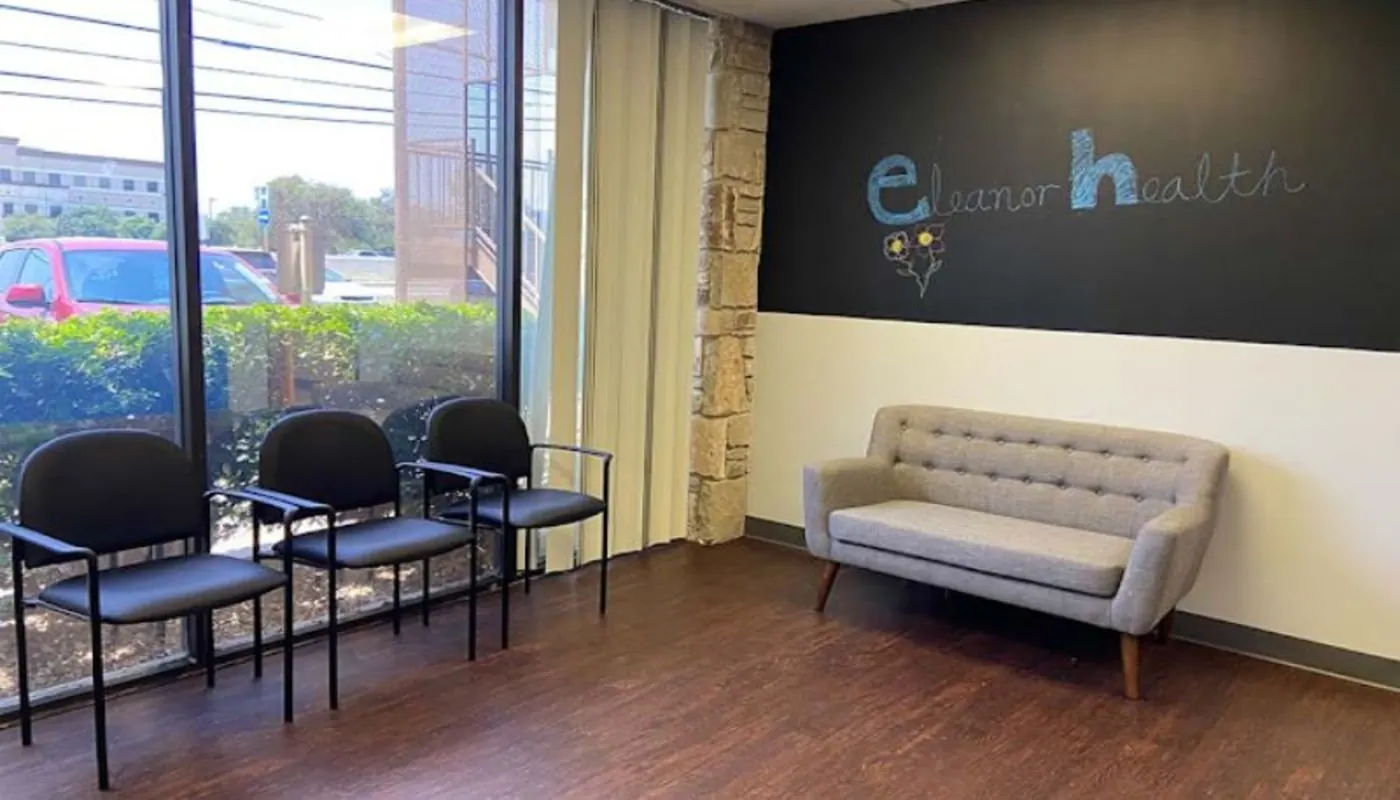
Eleanor Health San Antonio
4.1/526 Google reviews
Standard duration 5 daysSan Antonio, TX
- Outpatient
Eleanor Health San Antonio is an outpatient clinic at 8500 Village Drive Suite 101, ZIP 78217.
-
Center for Healthcare Services NAS
2.7/53 Google reviews
Standard duration 30 daysSan Antonio, TX
- Residential Rehab
- Sober Living
This page covers the Center for Healthcare Services NAS, a residential rehab in San Antonio.
-
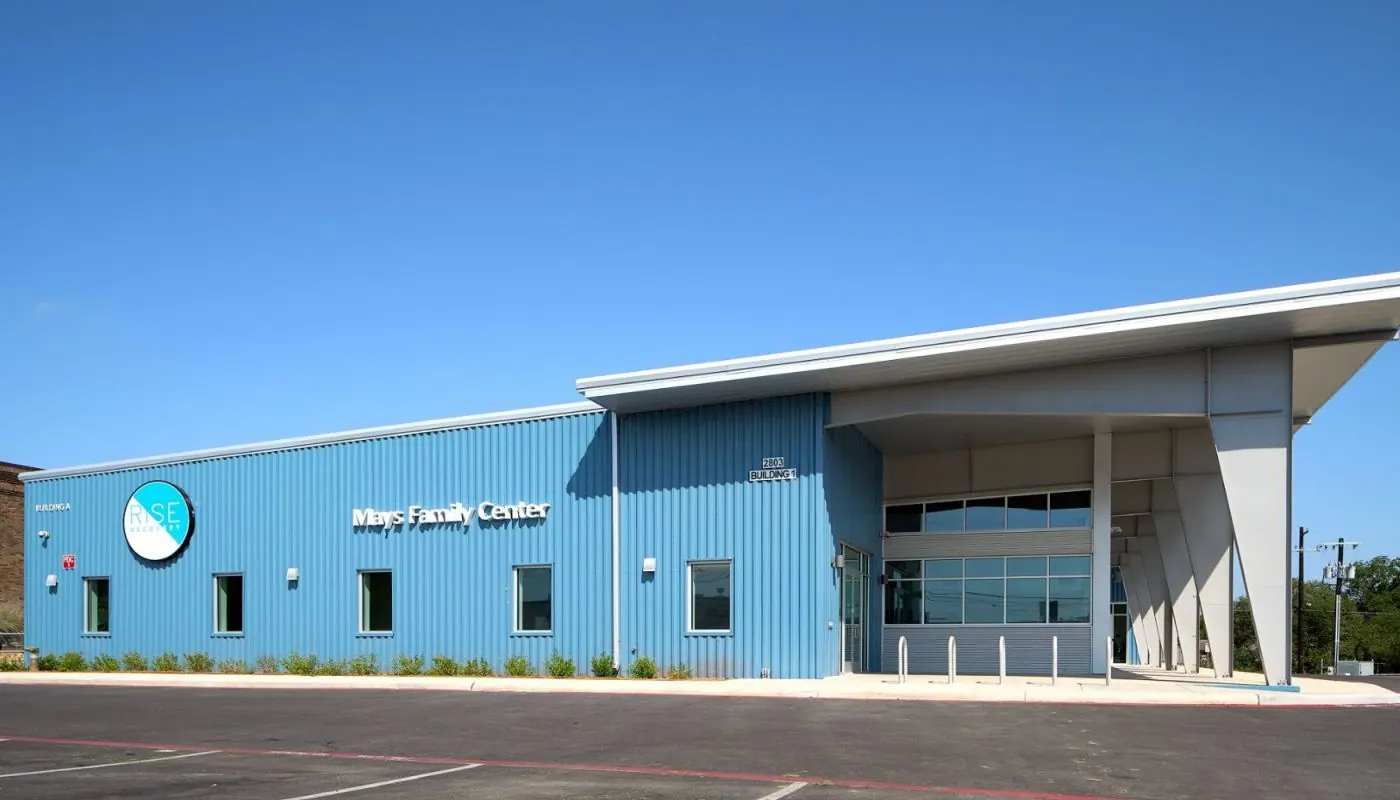
Rise Inspire Academy
4.7/558 Google reviews
Standard duration 30 daysSan Antonio, TX
- Co-Occurring Mental Health
Rise Inspire Academy San Antonio serves teenagers as a recovery high school.
-

Esperanza Eating Disorders Center San
4.3/511 Google reviews
Standard duration 30 daysSan Antonio, TX
- Joint Commission
- Outpatient
Esperanza Eating Disorders Center San Antonio treats eating disorders at 140 Heimer Road.
-
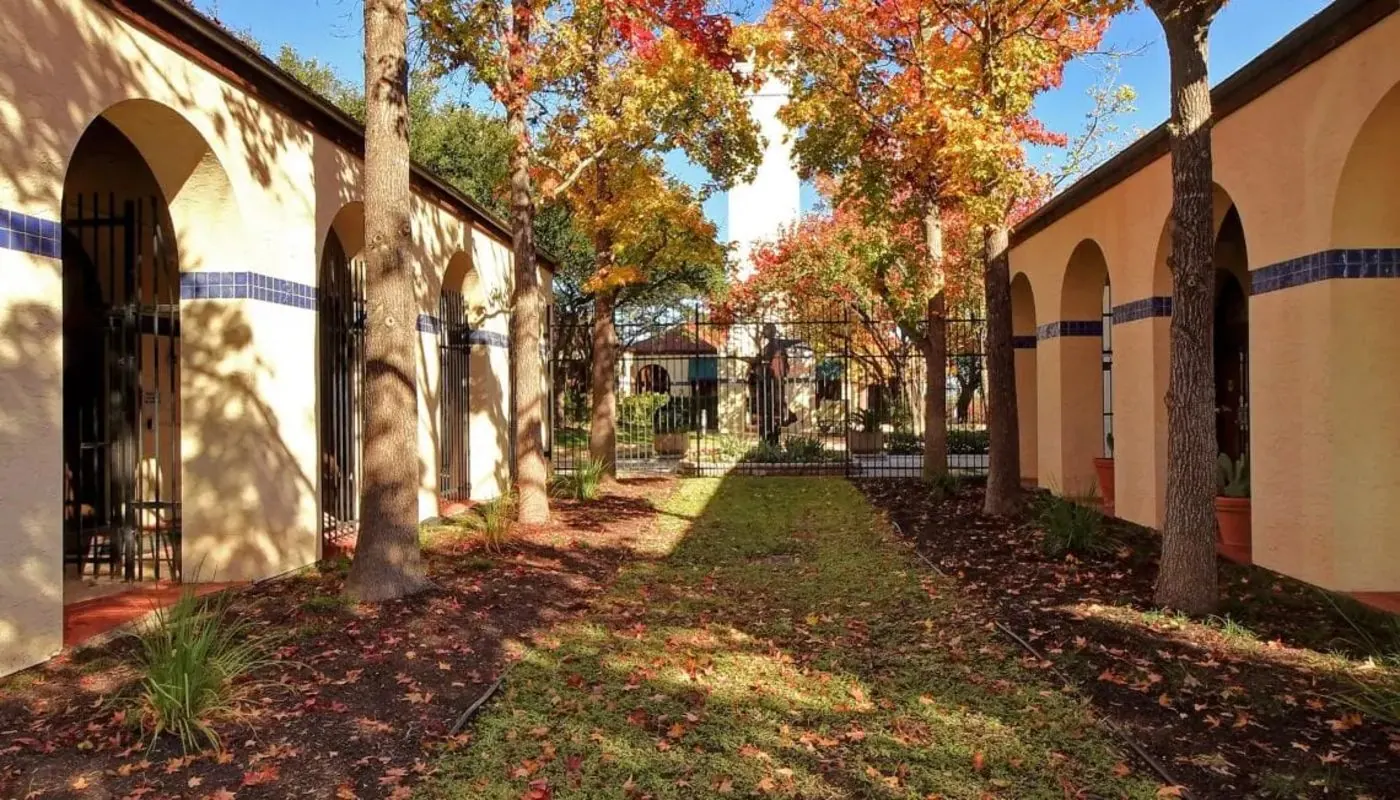
Laurel Ridge Treatment Center
2.8/5769 Google reviews
Standard duration 30 daysSan Antonio, TX
- Joint Commission
- Residential Rehab
Laurel Ridge Treatment Center San Antonio provides residential rehab for substance use and mental health conditions.
-
Center for Health Care Services
4.0/58 Google reviews
Standard duration 30 daysSan Antonio, TX
- Residential Rehab
- Detox
- Outpatient
The Center for Health Care Services - Crisis Care provides detox, residential rehab, and outpatient care in San Antonio.
Questions
What is the Eating Recovery Center San Antonio known for?
This Joint Commission accredited outpatient center opened in 2007 and concentrates on eating disorders together with other mental health conditions. Its listings include treatment for adolescents and for adults, with families taking part. People who call can ask about the typical 30-day program length and which therapy approaches suit their circumstances. The helpline is staffed by trained advisors who can help check availability and coverage; reaching out costs nothing and commits the caller to nothing.
Does this center offer inpatient care?
No. What the listing describes is outpatient care alone, and a usual program runs 30 days. Should a clinician determine that you or your child requires continuous medical oversight, request a referral instead of presuming this site is the right fit. Outpatient care suits situations where eating is steady enough to handle in between appointments.
How do people afford eating disorder treatment in San Antonio?
Start by asking the center which plans it accepts and whether it bills Texas Medicaid, then request a written benefits check before committing. Among the 31 SAMHSA-listed facilities in the area, payment options vary widely. If a claim is denied, then ask about the appeal process in writing.
How long do you stay in inpatient rehab?
How long inpatient rehab lasts depends on the program, though this center indicates that programs typically last 30 days for the outpatient care it provides. If inpatient options are what you are researching, ask every facility directly what its average stay is. The helpline can assist you in comparing programs and verifying coverage.
What types of rehabs are there?
Treatment settings span outpatient clinics such as this one through residential and inpatient programs. Outpatient care is all this center offers, with a typical 30-day program. Should you require a higher level of care, ask for a referral to a program that delivers it.